

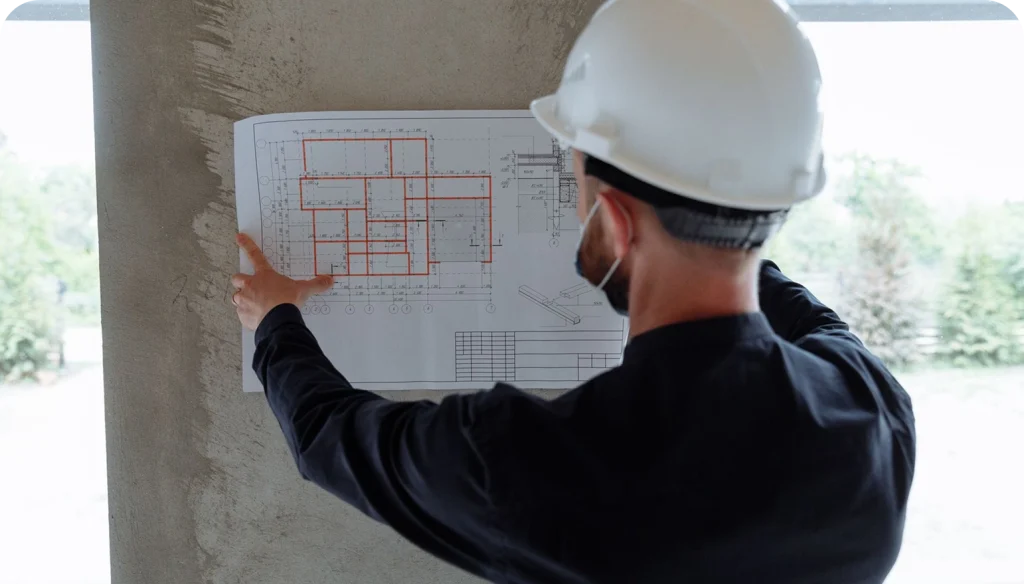
Commercial refurbishment planning plays an important role in keeping projects organised, controlling costs and ensuring work progresses efficiently. Whether upgrading an office, retail space or other commercial property, careful preparation helps establish clear requirements before construction work begins.
A successful refurbishment involves more than selecting finishes or deciding what needs to be replaced. Project scope, programme, budget, existing building conditions and coordination between different trades all need to be considered from the outset.
Establishing these requirements early can help reduce unexpected issues, minimise disruption and provide contractors with a clearer understanding of what needs to be delivered.
Define Your Project Goals
Every successful refurbishment should begin with a clear understanding of what the project needs to achieve. This may include modernising an existing commercial space, improving functionality, preparing premises for a new tenant or upgrading finishes and internal layouts.
The project scope should identify the areas being refurbished, the required standard of finish and any specific performance or operational requirements. Existing building conditions should also be considered, as these can influence the work required once the project begins.
Clear objectives established during commercial refurbishment planning give contractors and project teams a stronger basis for estimating, scheduling and coordinating the works.
Set Realistic Budgets & Timelines
Establishing a realistic budget and programme is an important part of any commercial refurbishment project. Costs can be influenced by the condition of the existing building, materials specified, project complexity and the amount of work required across different trades.
The programme should also account for procurement, site access, sequencing of trades and any work that needs to take place while parts of the building remain operational.
Allowing appropriate time and contingency for unexpected conditions can help prevent unnecessary pressure later in the project. Working with experienced contractors during the planning stage can also provide a clearer understanding of practical timescales and potential project requirements.
Refurbishment programmes should also consider how the works may affect occupants, neighbouring areas and normal building operations. Planning noisy or disruptive activities around access restrictions and working hours can help minimise disruption while allowing contractors to complete each stage of the project safely and efficiently.
Early planning and realistic programming also align with wider UK construction guidance that encourages better preparation and project delivery.
Prioritise Communication
Clear communication between the client, main contractor, subcontractors and other project stakeholders is essential throughout a commercial refurbishment. Regular updates help ensure everyone understands the programme, upcoming activities and any changes that could affect the work.
Good communication also allows potential problems to be identified and addressed before they develop into delays or additional costs. This is particularly important when several trades are working within the same areas or when parts of the property remain operational during refurbishment.
Establishing clear responsibilities and communication channels during the planning stage can help keep decisions organised and support smoother project delivery.
Key Considerations
- Clearly defined project scope and specifications
- Realistic budget and contingency planning
- Practical programme and completion targets
- Existing building and substrate conditions
- Material selection and procurement lead times
- Coordination between different trades
- Site access and operational restrictions
- Quality control and snagging requirements
Addressing these factors during commercial refurbishment planning can help identify potential challenges before work begins and provide the project team with a clearer framework for delivering the refurbishment efficiently.
Commercial Refurbishment Planning for Successful Projects
Successful refurbishment projects depend on careful preparation, realistic expectations and effective coordination throughout the works. Defining the scope, budget, programme and responsibilities early can help reduce unexpected issues and keep the project moving efficiently.
With over 20 years of industry experience, OSREND supports commercial fit-out and refurbishment projects across London and the South East with professional plastering, drylining and rendering services.
If you have an upcoming commercial refurbishment project, get in touch with OSREND to discuss your requirements and request a quotation.